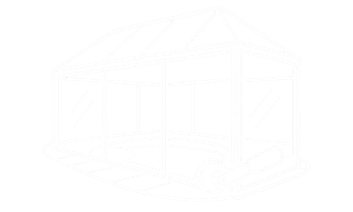
Transform your outdoor space with patio screening installation in Lehigh Acres, FL.
Transform your outdoor space with patio screening installation in Lehigh Acres, FL. We build custom screened patios that offer shade, bug protection, and extra living space. Our team designs enclosures to fit your existing slab or deck so you can enjoy the breeze without pests.
Lehigh Acres Screening provides professional patio screening throughout Lehigh Acres, FL, and the surrounding area. Our licensed, insured crew delivers safe, clean, on-time work with a free estimate before anything begins. Call 239-522-7355 or request your free quote.

At Lehigh Acres Screening, patio screening is not a one-size-fits-all add-on. We look first at how you use your patio, where the sun hits your home, and how the wind and rain move across your yard. A west-facing patio near Mirror Lakes deals with hot afternoon sun and strong summer storms, while a shaded patio off Homestead Road might need more airflow and less solar protection.
When you call us, we start with a walk-through of your existing patio or slab. We measure the concrete, check the condition of the connection point to your home, and look for drainage issues like standing water or areas where rain splashes mud onto the patio. We also pay attention to your landscaping, because plant locations affect airflow, privacy, and how much debris will hit the screens.
From there, we discuss specific goals: Do you want a bug-free place to eat outside, a pet-safe area, or a more private space along a busy street in Lehigh Acres? Those answers drive choices in screen type, frame layout, door placement, and even the height of the enclosure so it matches your home and meets local codes.
A proper patio screening installation in Lehigh Acres follows a clear, organized process so the enclosure holds up to summer storms and year-round use.
1) Site prep and layout. We clear furniture and grills, sweep the slab, and mark the footprint. If the concrete is cracked or out of level, we note any spots that need repair, additional anchors, or shims. We confirm property lines and look at roof overhangs, gutters, and downspouts so the new structure does not interfere with drainage.
2) Anchors and aluminum frame. We drill into the concrete and secure corrosion-resistant anchors rated for coastal Florida conditions. Then we build the frame from extruded aluminum beams and uprights, cutting each piece on site for a snug fit against your wall finish (stucco, block, or siding). We square and level the frame carefully because this step determines how well the screens will tension and how the doors will operate.
3) Roof style and connection. For a typical patio screen in Lehigh Acres, we use a flat, mansard, or gable-style aluminum roof frame with screen panels. We attach the structure to your home’s fascia or wall with structural fasteners, then seal all connections to reduce water intrusion. In older homes, we sometimes reinforce fascia boards or add new ledger attachments if the existing lumber has softened from moisture.
4) Screen panel installation. Once the skeleton is in place, we roll out screen fabric and install it bay by bay. We use spline channels built into the frame, press in the spline, and tension each panel so it is tight but not overstretched. Corners and door frames get extra attention to avoid future sagging or gaps that let insects in.
5) Doors, hardware, and finishing details. Finally, we install screened doors, closers, latches, bug sweeps, kick plates if requested, and any pet doors. We test every door several times and adjust hinges so they close easily without slamming in the wind. After cleanup, we walk you through the enclosure, explain how to wash and inspect the screens, and point out anchor locations so you know how the structure is supported.
Humidity, salt in the air from coastal winds, and intense sun in Lee County demand specific materials and finishes. At Lehigh Acres Screening, we recommend and explain your options instead of just pushing one product.
For most patio screening, we use fiberglass screen for a balance of visibility, airflow, and cost. It is flexible and forgiving, so it holds up well when kids or pets bump into it. For customers along busy streets like Lee Blvd or Gunnery Road who want better privacy, we offer heavier-weave privacy screen that makes it harder to see in from outside while still allowing airflow.
If you are near retention ponds, canals, or heavy landscaping where gnats and tiny insects are a problem, we can install no-see-um screen with a tighter weave. This type is popular in Lehigh Acres because it cuts down on tiny biting insects that move in after summer rains. It slightly reduces airflow and light, so we usually install it only in certain wall sections or along the most exposed sides.
For frames, we use powder-coated aluminum in colors such as white or bronze, selected to coordinate with your window frames and soffits. The finish resists corrosion in our humid environment and cleans up easily with mild soap and water. For homeowners planning to keep large dogs or active children in the patio, we can upgrade lower panels to stronger screen or add aluminum kick plates so impacts do not tear the fabric.
We also offer options like screened transoms above doors for more airflow, removable panels for areas where you might later add a door, and screened pet doors installed into lower frame rails.
Patio screening costs vary in our area, but you can understand the main drivers before you request a quote.
Size and height. A small 10-by-10 slab off a villa in a Lehigh Acres community costs far less than a large wraparound patio on a single-family home. Taller enclosures need more aluminum, more vertical posts, and extra bracing to withstand wind, which adds to labor and materials.
Existing structure and condition. If we can anchor directly into solid concrete and sound fascia boards, costs stay lower. If your slab is cracked, out of square, or sloping toward the house, we may need extra prep and water management. Homes with failing gutters, rotten fascia, or uneven stucco surfaces might need reinforcement or minor repairs before the patio screening can be safely attached.
Screen and hardware choices. Standard fiberglass screen and a simple single door are the most budget-friendly. Upgrades like no-see-um screen, larger heavy-duty doors, pet doors, privacy panels, kick plates, and decorative trim will raise the price. However, certain upgrades save money long-term, especially if you have pets or heavy use and want to avoid frequent repairs.
Local code and wind requirements. In Lehigh Acres, structures must stand up to strong storm winds. The more open and exposed your yard, the more bracing and stronger fasteners we may use to keep the enclosure stable. This is especially important on corner lots or properties that back up to canals or open fields, where wind is stronger.
In Lehigh Acres, you can install patio screening year-round, but certain times offer advantages. Winter and early spring usually bring drier weather and slightly cooler temperatures, which makes installation more comfortable and reduces weather delays. Many homeowners prefer to schedule work between December and April, before the full rainy season and hurricane season.
Summer and early fall are workable too, but afternoon storms and high humidity can slow down the schedule. During those months, Lehigh Acres Screening often plans morning installations, aiming to finish drilling, anchoring, and roof connections before typical afternoon thunderstorms roll through. If we see a strong system approaching, we adjust the schedule rather than leaving partially tensioned screens to flap in the wind.
If you live in a deed-restricted community or HOA in Lehigh Acres, factor in their approval timeline. Some associations require drawings, frame colors, or height limits. We are familiar with many of the common neighborhood requirements and can provide basic sketches, product details, and color samples you may need for approval.
Planning ahead also matters if you want your screened patio ready for a specific event, like family visits in winter or summer cookouts once school lets out. We encourage customers to contact us a few weeks in advance during the busiest seasons so we can reserve material and schedule you for a time that fits your calendar.
Many homeowners in Lehigh Acres call us after living with a poorly built or aging enclosure. Knowing the typical issues now can help you avoid them when you hire a patio screening installer.
Loose or sagging screens. This usually comes from improper tensioning, cheap spline, or an out-of-square frame. In our installations, we square and level the frame first and use quality spline matched to the specific channel so screens stay tight and resist wind flutter.
Rusting fasteners and stains. Low grade hardware can rust and run brown streaks down your white or light-colored frame, especially in our humid climate. Lehigh Acres Screening uses corrosion-resistant anchors and screws specifically rated for exterior Florida use. We also seal critical connection points to limit moisture intrusion.
Misaligned or sticking doors. When doors are installed without proper shimming or when the frame shifts because it was not anchored correctly, latches stop lining up and doors drag or slam in the wind. We brace doors carefully during installation, add adjustable hinges when useful, and test each door for smooth operation before we leave.
Water pooling on the patio. If the enclosure blocks natural runoff or if the slab already slopes the wrong way, you can end up with puddles after storms. During our site visit we look for drainage patterns and may suggest small concrete adjustments, added gutters, or screen kick plates in certain locations to reduce splash-in. Our goal is a patio that is drier and more usable after a typical Lehigh Acres downpour.
Hurricane concerns. While screen rooms are not hurricane shelters, our structures are assembled to local standards considering uplift and lateral loads. Before every storm season we remind customers to inspect for loose screws, damaged screens, or wobbly posts so we can correct small issues before major storms arrive.
Lehigh Acres Screening is locally focused, so we design your patio screening around local wind patterns, insect issues, and the way homes are actually built in our neighborhoods. We are familiar with CBS block construction, older fascia details, and the typical slab sizes in this area, which lets us anticipate challenges instead of finding them after the material is ordered.
During your estimate, we explain every part of the project in plain terms and encourage you to ask detailed questions about screen options, frame layout, and hardware. You will know where the enclosure will attach, what type of anchors we are using, and how long the work will take in normal Lehigh Acres weather. There are no surprise add-ons halfway through the job.
After installation, we remain available if you notice anything you are unsure about. If a door needs a small adjustment after the first week of use or you decide you want an additional handle or pet door later, we can usually accommodate that without major disruption. Our goal is that your screened patio becomes a part of how your household lives every day, not just a visual upgrade.
Whether your home is off Sunshine Boulevard, in a newer subdivision off Milwaukee, or on a quieter street near the canals, we tailor each patio screening to the specific site. When you are ready, we can schedule a visit, take measurements, and put together a detailed written proposal so you can move forward confidently.
Professional patio screening installation, done right the first time, quality materials, honest pricing, and results that last.Lehigh Acres Screening